
The Importance of Enamel Coating in Accumulation Tanks: Health and Durability Hand in Hand
Today, energy efficiency and hygiene are among the most important considerations in the design of heating systems. Accumulation tanks, a key component of these systems, optimize energy consumption by storing hot water and transferring it to the systems when needed. However, if the inner surface of the tank is not protected, corrosion, sediment buildup, and microbial deterioration become inevitable over time. This is where enamel coating emerges as an indispensable solution in terms of both health and system life.
What is Enamel?
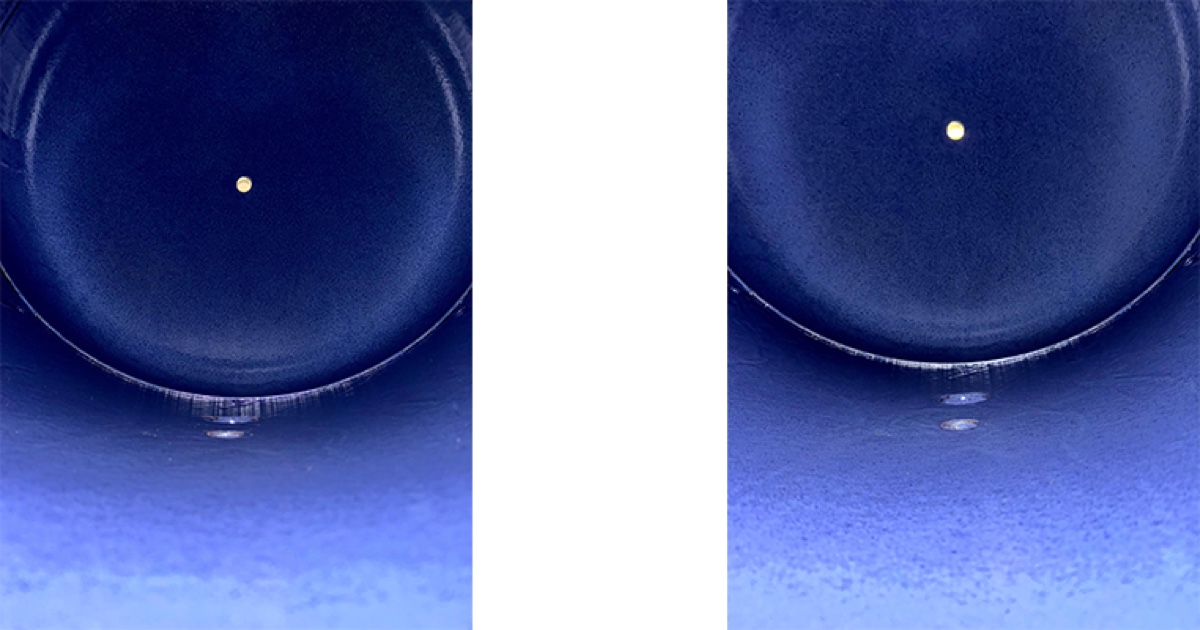
Enamel is a glass-based coating material fired at high temperatures. Applied to metal surfaces, it forms a glass-like, smooth, and impermeable layer. This layer makes the surface resistant to rust, chemicals, and high temperatures.
Advantages of Enamel in Accumulation Tanks
1. Superior Protection Against Corrosion
Hot water constantly circulates inside accumulation tanks. This can cause corrosion (rusting) on the inner surface of the tank over time. Enamel coating prevents this process by creating a barrier between the metal surface and water. This extends the life of the tank and reduces maintenance needs.
2. Hygienic Water Storage
Enamel-coated surfaces do not harbor bacteria and microbes. Their smooth structure prevents microorganisms from adhering and multiplying. This is particularly important for health reasons in systems that store water for consumption.
3. Resistance to Chemicals and High Temperatures
Temperature fluctuations and chemical additives are common in heating systems. Enamel coating prevents any deterioration or reaction on the surface thanks to its resistant structure against these changes.
4. Energy Efficiency and Ease of Cleaning
Smooth enamel surfaces do not adversely affect heat transfer and facilitate cleaning. Scale or lime formation is kept to a minimum, ensuring efficient system operation.
Enamel Coating or Stainless Steel?
Stainless steel tanks may be appealing to some users. However, enamel coating is not only more economical but also provides much better bacterial resistance and chemical resistance on surfaces in contact with water. Enamel coating is a safer option, especially in high-temperature systems and tanks that come into contact with drinking water.
The type of material and coating used in storage tanks is critical to the overall health and durability of the system. Enamel coating stands out with its advantages such as hygienic water supply, long life, low maintenance costs, and high efficiency. Enamel-coated accumulation tanks offer a long-term and safe solution for both individual users and industrial facilities.
- Additional Information: Factors Determining the Quality of Enamel Coating
- Application thickness (usually between 200-500 microns)
- Firing temperature (around 800°C)
- Longer life with double-layer application
- Compliance with DIN 4753 standard


